
Chroniques De France 132-1 (1970s, French)
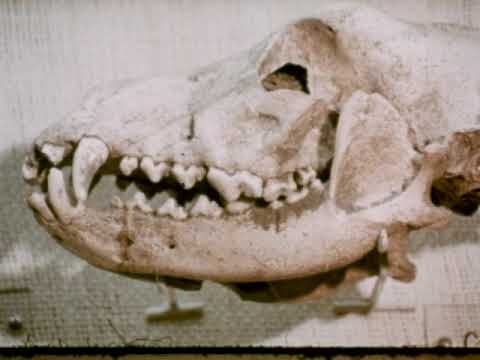
The Royal Château of Saint-Germain-en-Laye, after centuries of transformations, became dedicated to Celtic studies by Napoleon I. It now houses significant donations and collections, serving as a major global center for the study of the Quaternary period, alongside its department on the Gauls. Recent renovations of its prehistoric and Paleolithic art sections offer a glimpse into a lesser-known aspect of civilization, from the Bronze Age’s abundant gold to the impactful discovery of iron. The spread of Celtic tribes in Western Europe, with those in France known as Gauls, is illuminated by their tombs, which reveal customs of burial with personal effects and provisions. The presence of Italo-Greek artifacts indicates extensive trade between the Gauls and the Mediterranean world. Despite Roman influence after the conquest of Gaul, Gallic art retained its unique character, as seen in items like the golden helmet of Enfretville and the characteristic torque necklaces. The fall of the Roman Empire ushered in the poorly understood Merovingian civilization.
Keywords: Château de Saint-Germain-en-Laye, Celtic studies, Quaternary, Gauls, prehistory, Paleolithic art, Bronze Age, Iron Age, Celtic tribes, Gallic civilization, tombs, trade, Mediterranean, Roman influence, Merovingian civilization.
About The Author